


How is Pure Welsh Gold Different from Other Gold Types?

In the world of fine jewellery, gold is gold. Chemically speaking, whether it's panned from a river in the Yukon or mined deep in the Australian outback, the element remains the same: Au, atomic number 79. Yet, any connoisseur or person of Welsh descent will tell you that Welsh gold occupies a category all its own.
It isn’t the chemical composition that sets it apart, it’s the history, the staggering rarity, and the deep emotional connection to the land.
The Rarity of the "Welsh Rush"
Unlike the vast commercial mines in South Africa or China, Welsh gold comes from a very limited source: the Dolgellau Gold Belt in North Wales. The famous Gwynfynydd Mine has a storied history, but because large scale mining in the region has effectively ceased, the world’s supply of Welsh gold is now finite.
When you buy a piece of Welsh gold today, you aren't just buying a metal; you are buying a piece of a dwindling heritage. It is widely considered the rarest gold in the world, and once the existing stockpiles are gone, they cannot be replaced.
The Importance of Authentication: The CYM Stamp
Because Welsh gold is so rare and valuable, authentication is the most important factor. You cannot distinguish Welsh gold from regular gold just by weight or appearance. This is why the provenance of the gold must be ironclad.
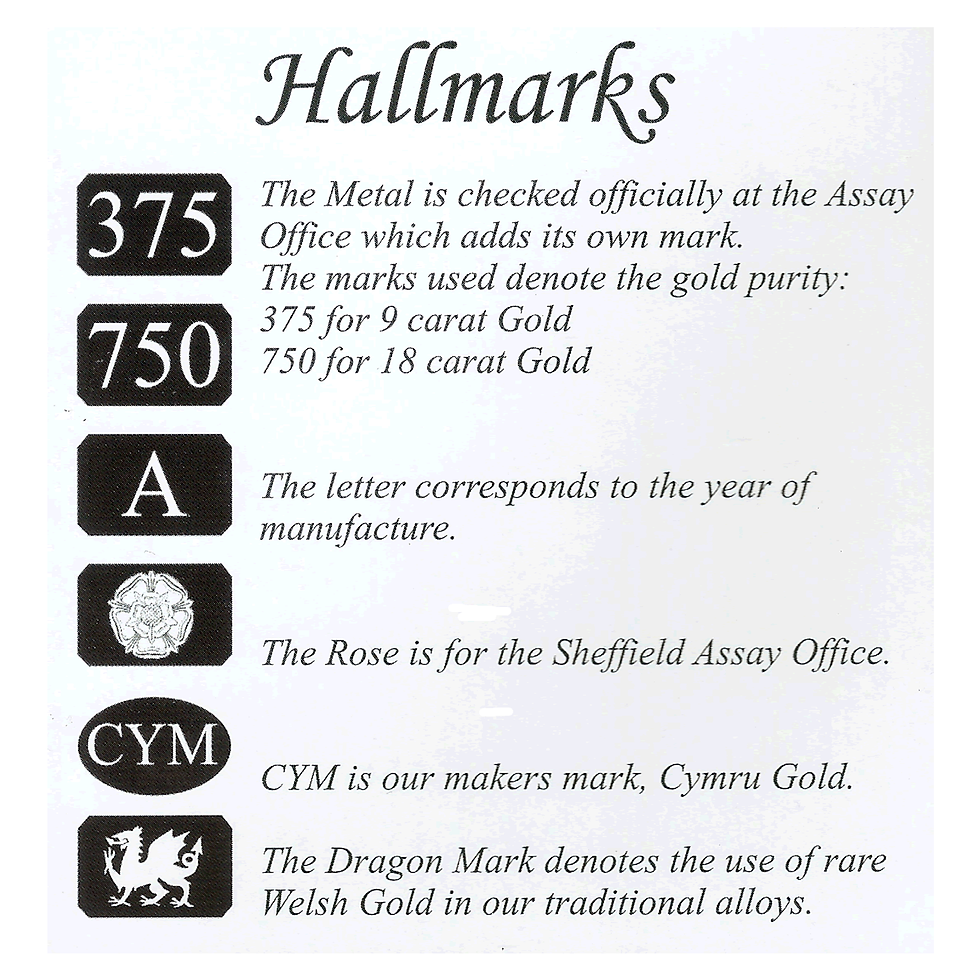
At WelshGoldShop.com, the Cymru Gold brand carries a legacy of trust. Every piece is marked with the CYM stamp, a guarantee of its origin. Perhaps most notably, this collection is overseen by Nigel Blayney, one of the last master goldsmiths truly working with this precious material. He is believed to be the only goldsmith who can still show authenticated Welsh gold ingots sourced directly from the Gwynfynydd mine providing a direct verified link from the mountain to the wearer.
Why is it so Desirable?
The allure of Welsh gold stems from three main factors:
Exclusivity: With no active mining, it has become a true collector’s item.
Royal Tradition: The British Royal Family has used Welsh gold for wedding rings for over a century, cementing its status as a prestige metal.
The Truth About the Metal: While some myths suggest Welsh gold has a "rosy" hue, the reality is that gold is gold. Whereas there is a possibility of the unrefined gold from the Welsh mines having a red hue because of a copper content, refined pure 24ct Welsh gold is yellow as is all other gold. It can be made as 9ct or 18ct red, white, or yellow gold. But in its natural state, Welsh gold shares the same brilliant yellow lustre as any other high-quality gold. The true value of Welsh gold lies in its provenance and scarcity, not a difference in colour.
A Little Bit of Wales on Your Person
For those with Welsh heritage or ancestry, the value of this gold isn't found in a price per gram. It’s found in the sentiment.
In a world of mass production, wearing a ring or pendant containing authentic Welsh gold is a way to carry the rugged mountains of Snowdonia and the history of the Welsh valleys with you. It is a physical link to your roots; a "little bit of Wales" that stays on your person, no matter where in the world you might be.
Gold is gold, but Welsh gold is home.


